Experience across different kinds of digital products
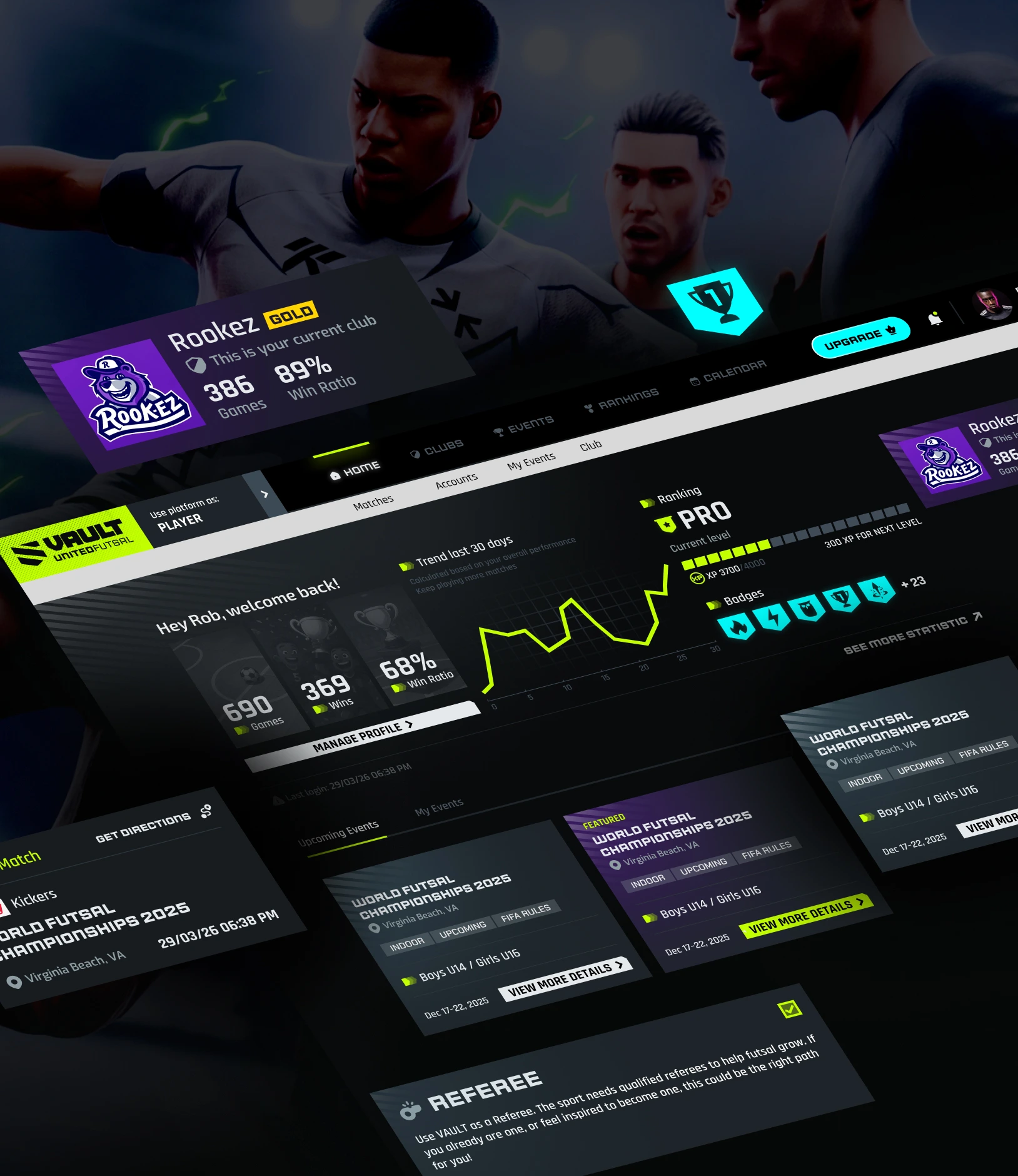
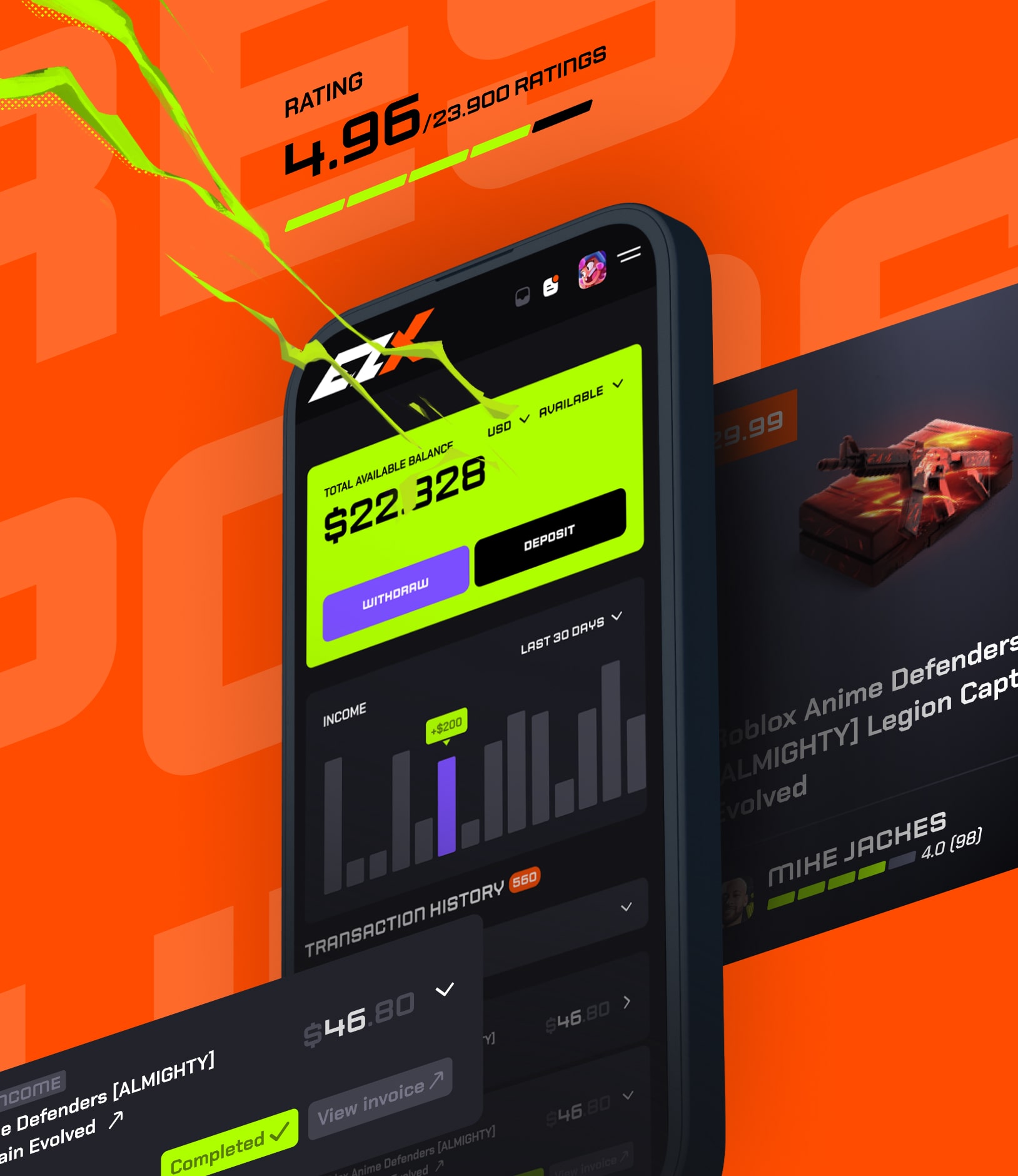
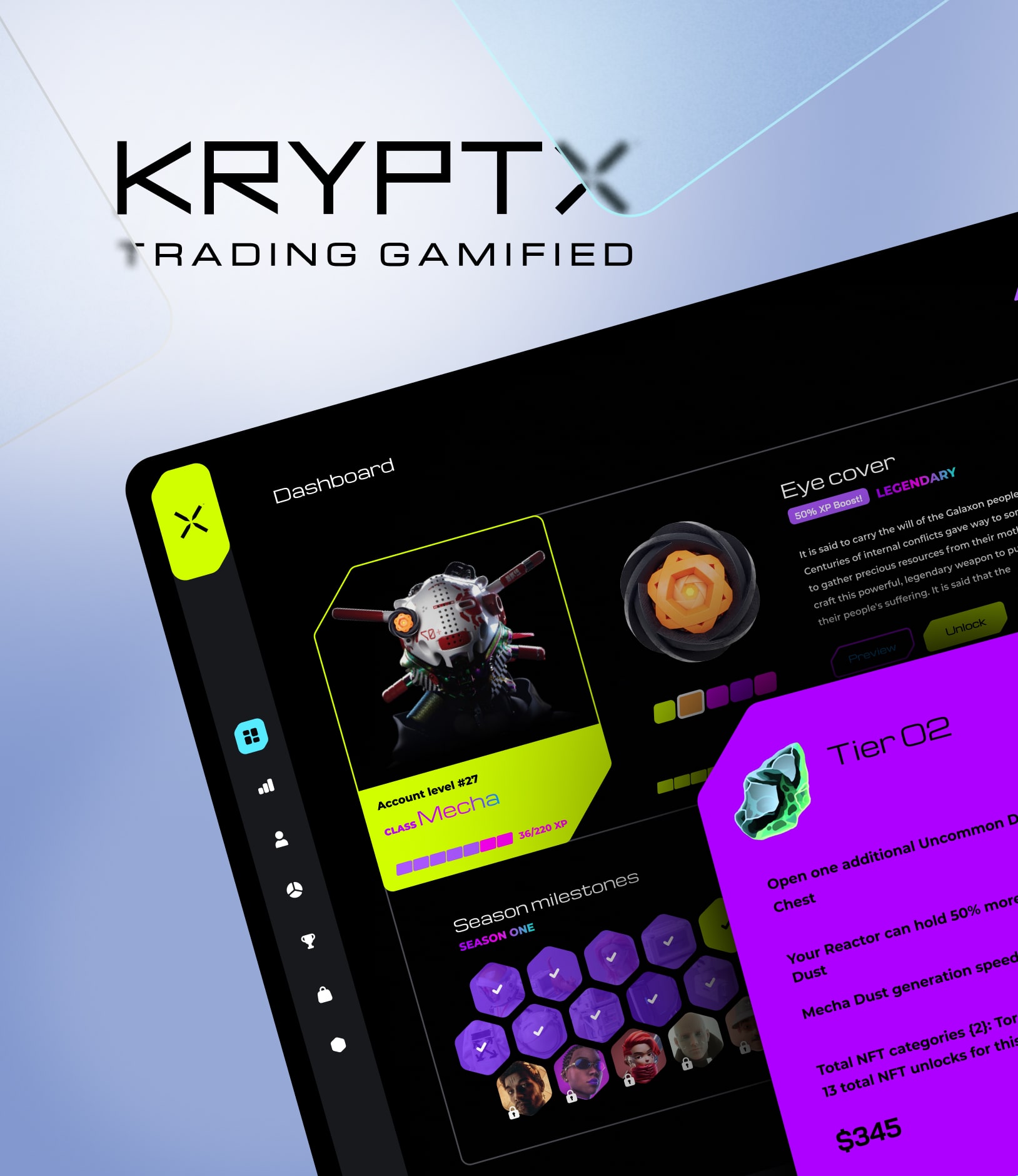
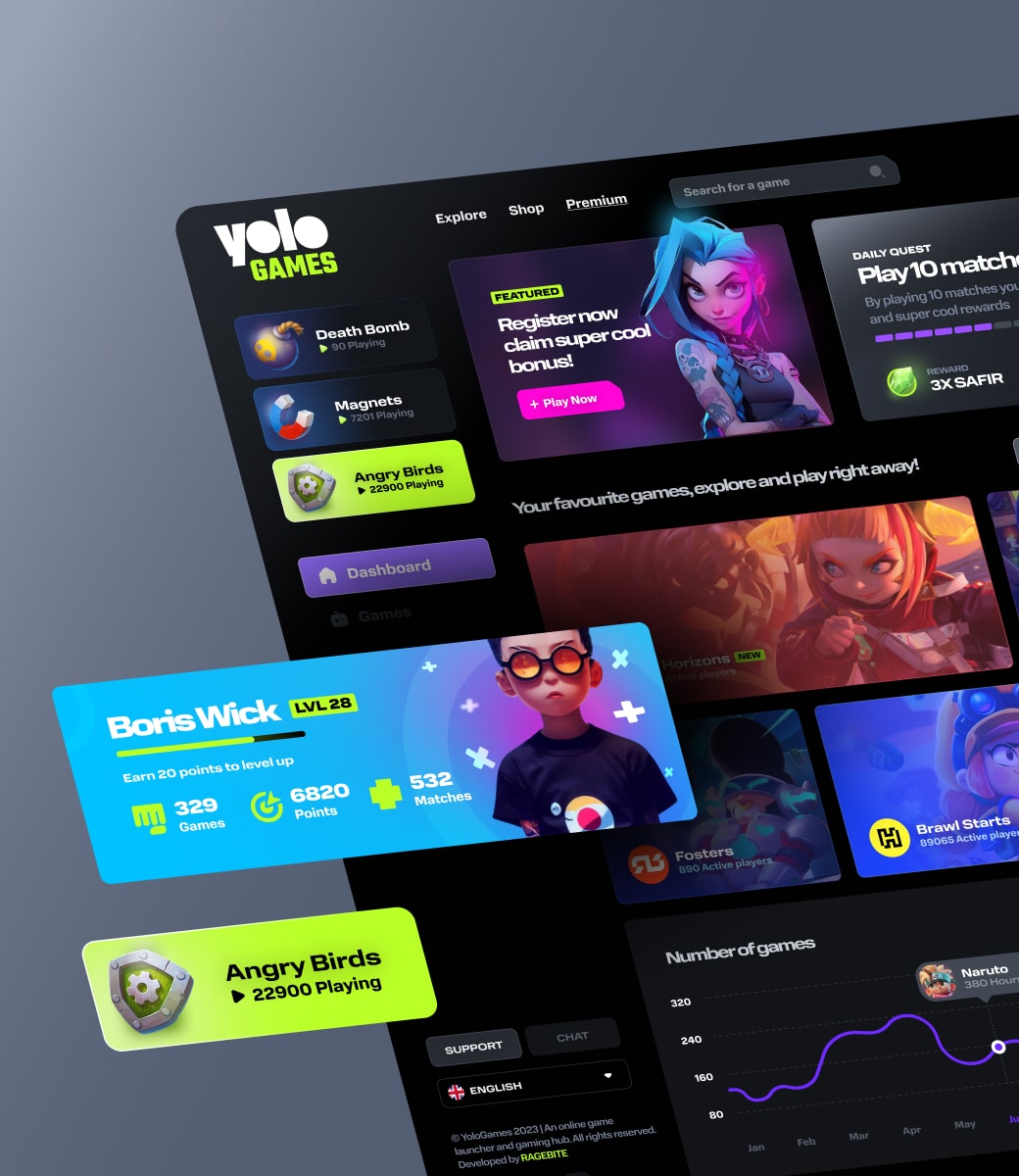
From sports and esports platforms to gaming marketplaces, trading products, and SaaS applications, we've worked on products with different users, business models, and technical challenges.
We've worked across products with very different business models, audiences, and technical requirements. From managing sports competitions to building trading applications and online marketplaces, each category represents experience gained from real product work.
What nine years of building products have taught us
Since 2017, we've worked on digital products across different industries, business models, and stages of growth. Each project has shaped how we think about product design, engineering, and delivery. We bring those lessons into the products we build today.
01
Understanding users and the business
Good UX/UI starts with understanding who will use the product, what they need to achieve, and how the business works. Our experience has taught us that this understanding is essential for deciding what to build, which problems to solve first, and how to design an experience that works for both users and the business.
02
Building products that scale
We've seen how technical decisions made early in development can affect a product years later. Building for growth means knowing what needs to scale, what can stay simple, and where the architecture needs room to evolve. The right decisions depend on the business today and where it's heading, rather than building unnecessary complexity from the start.
03
Understanding complex systems
Some of the most challenging products we've worked on involve multiple roles, connected services, shared data, and workflows that depend on each other. That experience has taught us to understand how the entire product works before making decisions about individual features, connecting UX/UI, business logic, and engineering from the beginning.
04
Gamification and user engagement
Our roots in gaming have shaped how we think about engagement. Progression, competition, feedback, and small moments of delight can make products more interesting and rewarding to use. Over the years, we've learned where these mechanics improve the experience and how to make them part of the product rather than features added afterward.
05
Working products throughout development
One of the most valuable lessons we've learned is that working software leads to better conversations and better decisions. Delivering usable versions throughout development gives clients something concrete to test, question, and improve. Feedback becomes part of the development process instead of something collected only before the final release.
06
Understanding existing systems
Working with established products has taught us that making changes starts with understanding what's already there. Existing architecture, business rules, integrations, and user workflows often reflect years of decisions. Understanding those dependencies helps determine what to preserve, improve, or replace while keeping the product operational.
07
Evolving how we build software
The way we develop software today is very different from how we worked in 2017. We've continuously adapted our technologies, tools, and development processes, learning when a new approach makes sense and when an established one is the better choice. Now, that evolution includes Qell, our internal AI-assisted development system. It handles parts of implementation, testing, and review, giving our team more time to focus on architecture, UX/UI, and product decisions.
08
Taking responsibility for the work
Working with clients over the past nine years has taught us that good product development requires more than following a specification. Requirements change, assumptions turn out to be wrong, and new problems appear during development. Taking responsibility means recognizing those situations, discussing the options with clients, and helping make the decisions needed to move the product forward.
RAGEBITE in numbers
Since 2017 RAGEBITE has built 63 digital products used by 9.8 million people.
9 years
Building digital products since 2017. Born in gaming, evolved across industries.